About
I am an independent scholar, writer, researcher and photographic exhibition curator.
My main areas of interest are concerned with the exploration of themes pertaining to “hidden histories” and also encapsulates “marginalised voices” and “untold stories”.
Thanks to acclaimed actor and director Burt Caesar for his narration on the Ruhleben Story, in which he vividly brings to life the sworn testimony of Bajan trawlerman William Savory.
Charlotta Bass was the ultimate outsider: Black, female and radical. A woman of many ‘firsts’, she was the editor and owner of The California Eagle between 1912-1951.
Bass situated herself at the intersection of the major contentious issues of social injustice in the first half of the 20th century. Indeed, throughout her 50-year
year career she was an outspoken activist and campaigner; as a consequence, between 1943-1967 Bass was subjected to FBI surveillance.
A Republican for most of her adult life, Bass became disaffected and founded the Independent Progressive Party. When most people would have turned their thoughts to a quiet life of retirement Charlotta Bass embarked on a major change of direction: she sold The California Eagle, relocated to New York and, in an audacious bid, became an improbable vice-presidential candidate in 1952 on behalf of the Progressive Party.
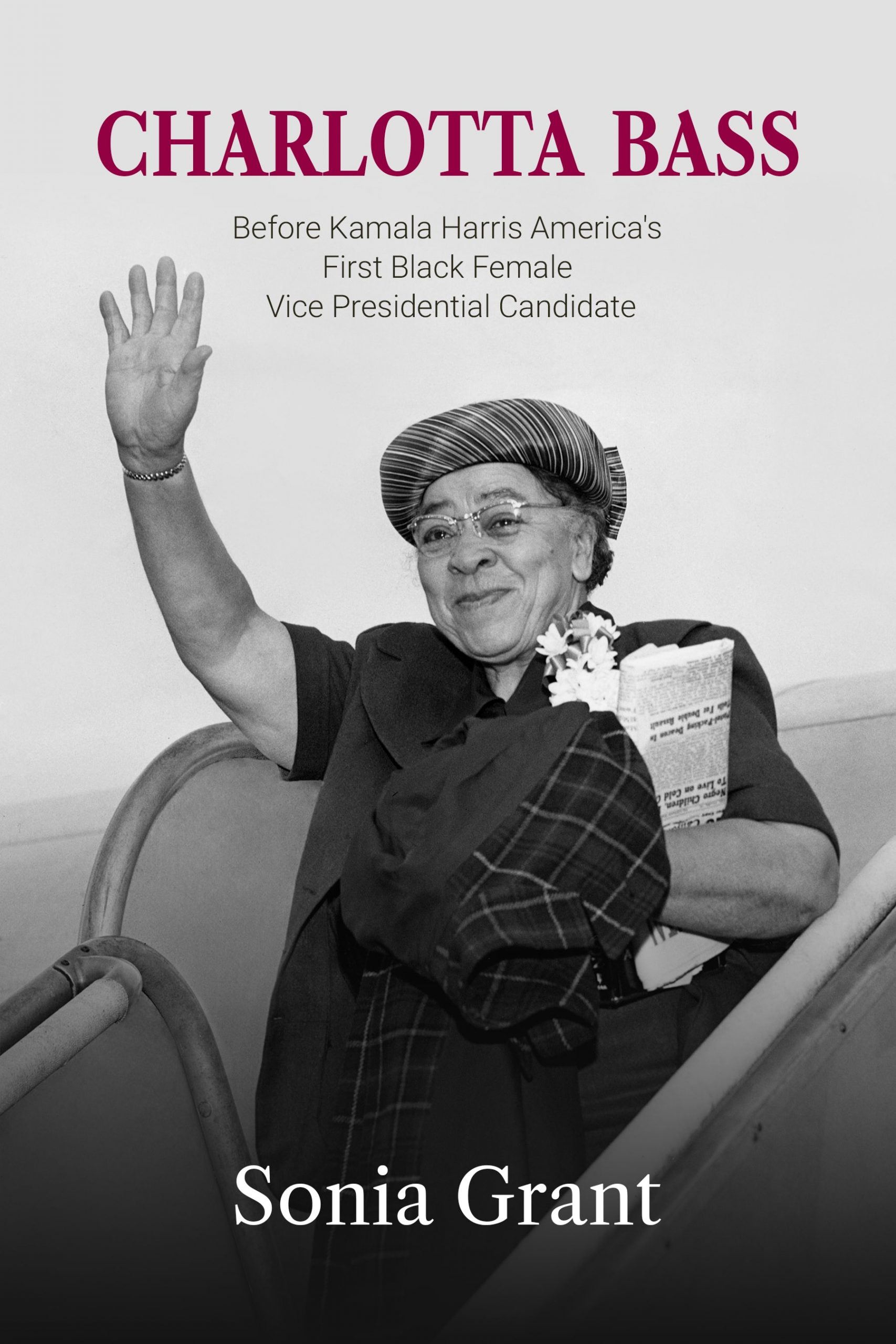
Before Kamala Harris, America's First Black Vice-Presidental Candidate
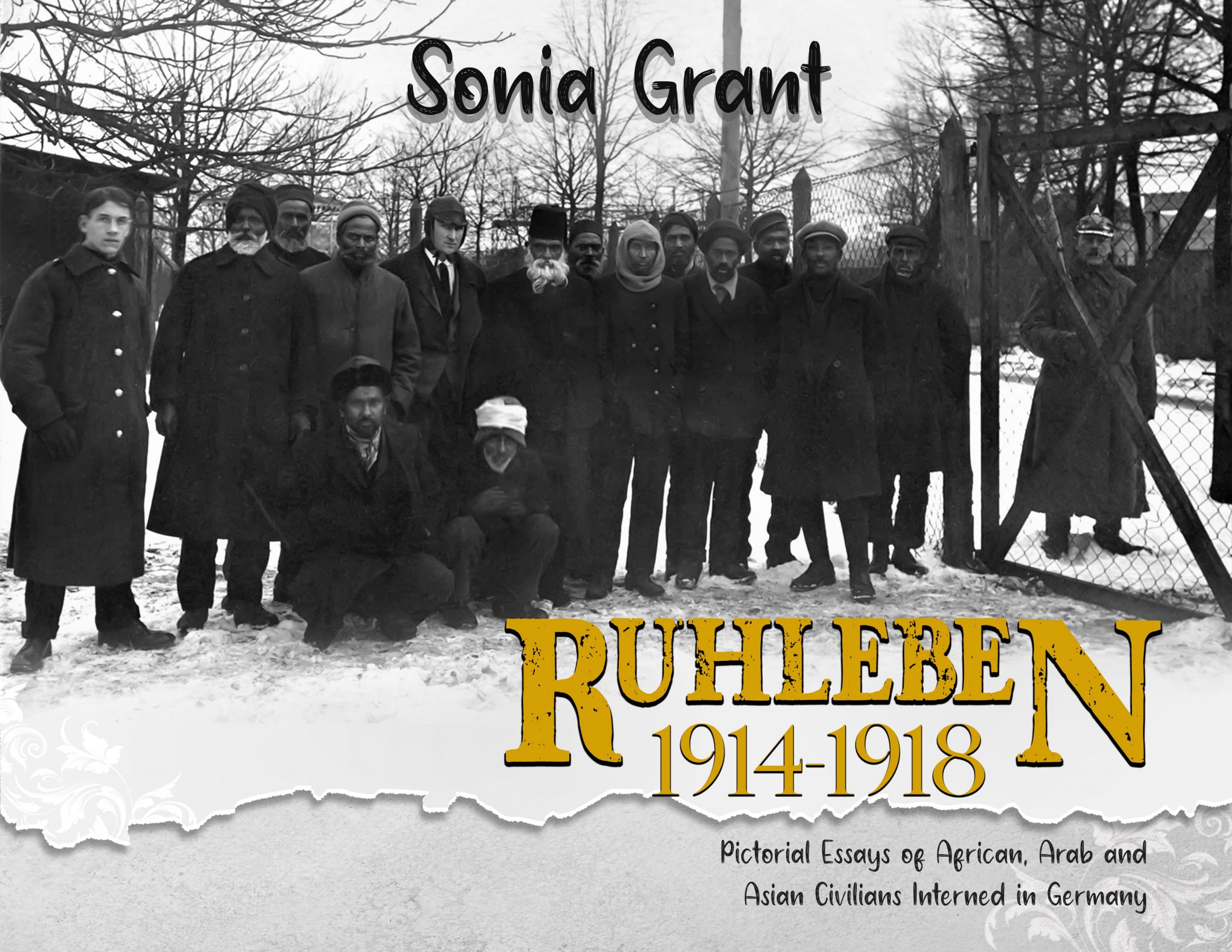
Pictorial Essays of African and Arab Civilians Interned in Germany
Classified as British subjects approximately 300 civilian “men of colour”, who were either living or working in Germany at the outbreak of WW1, were rounded up and interned at Ruhleben Camp, a disused racecourse outside Berlin. Although a relatively small number their plight has remained conspicuously absent from discourse on the Great War.
The book reveals how the internees persevered in a 5,000-strong enclave – “Little Britain” – a virtual outpost of Empire. Among their ranks: merchant seamen from Sierra Leone and Yemen; musical hall artistes; Britain’s first black Olympian; and two of the first black men to be broadcast and appear on BBC radio and television, respectively; and even a fake prince, or two.